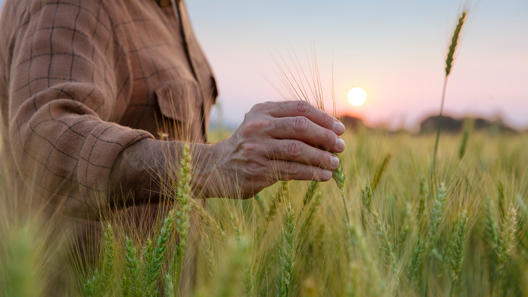
Why Seed Treatments

Seed Treatments: Benefits, technologies and agricultural impact

Seed treatments are crop protection and plant health solutions applied directly to seeds before planting. They protect crops from pests and diseases during early growth stages and can support plant establishment and development. Seed treatments can include fungicidesinsecticides and crop performance enhancers. They can be based on both chemical and biological compounds, and are an important part of the farmer toolbox in major crops such as corn, soy, cereals, oilseed, cotton and more. 

Seed Treatments for Modern Agriculture | SeedGrowth Center

What are seed treatments?

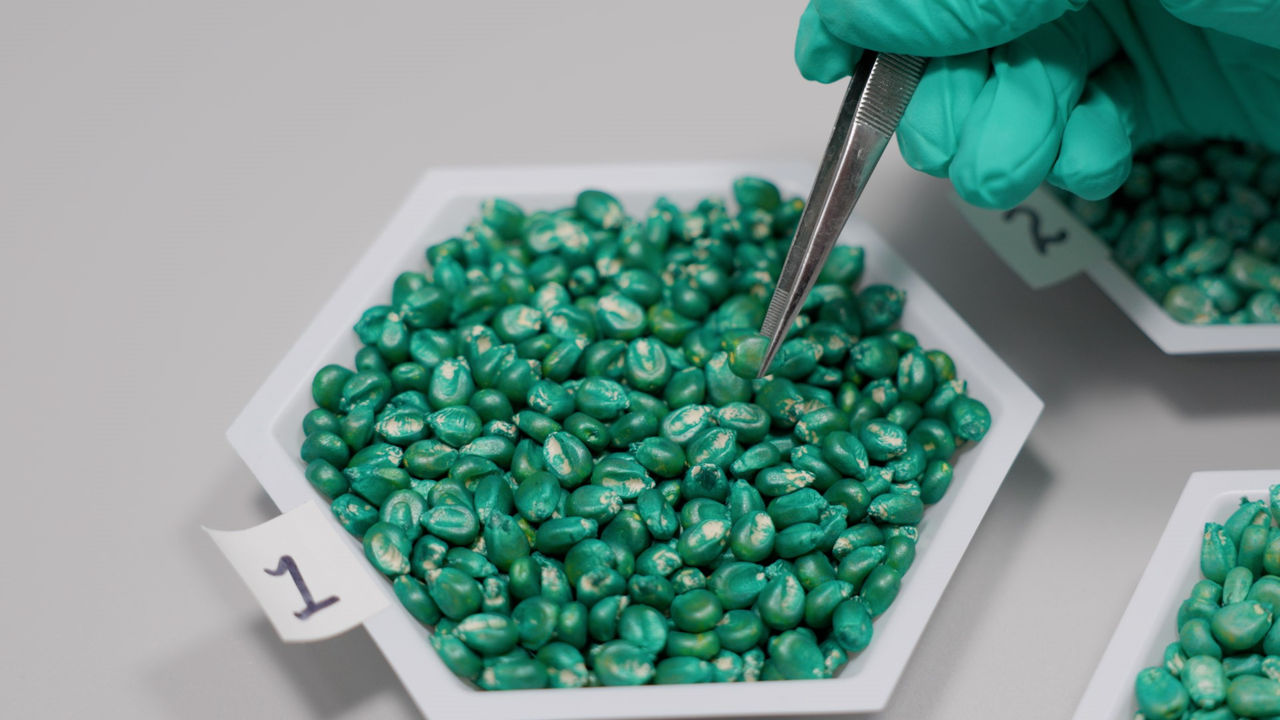
Seed treatments are products that are applied directly to seeds before planting, unlike typical foliar-or soil-applied solutions. Seed treatments fulfill several different roles in crop protection and plant growth enablement.

Seed treatments are known for delivering early-season protection. During their initial growth stages, seeds and seedlings can be especially vulnerable to pests, fungal diseases and soil-borne pathogens. Since seed treatments are in the ground from the moment of sowing, they can get to work during this crucial period, helping give the plant its best possible start.

Seed treatments may include:

  • fungicides 

  • insecticides

  • crop performance enhancers

These solutions may be chemical (based on synthetic compounds) or biological (derived from or inspired by nature, such as microbials or plant extracts).

Because they are applied directly to the seed, seed treatments provide targeted, efficient protection and are recognized as a way of reducing crop protection’s environmental impact.  

Why seed treatments matter for agriculture

Seed treatments help farmers protect crop yields and improve resource efficiency through targeted application and reliable efficacy against early season pest and diseases.

Early protection

Seed treatments give plants a better chance to withstand early pest and disease threats, and help ensure strong plant establishment. 

Targeted crop protection

Applying products directly to the seed means relatively small amounts of active ingredients are being used – targeted to where they are needed. 

Improved efficiency for farmers

Seed treatments reduce the need for additional pesticide applications, reducing workload, complexity, fuel usage and environmental impact. 

Sustainability benefits

By improving plant establishment and reducing the overall volume of product applied, seed treatments help us produce more while using less – a central goal of sustainable agriculture. 

Seed treatments provide targeted protection at the very beginning of the plant lifecycle, helping growers safeguard yield potential while supporting efficient and sustainable farming.
Meike FischerHead of Global Asset Management Insecticides and SeedGrowth

Types of seed treatment technologies

Seed treatment solutions can include several types of technologies.

  • Fungicide seed treatments

  • Synthetic or biological solutions that protect seeds from seed- and soil-borne diseases.

  • Insecticide seed treatments 

  • Synthetic or biological solutions that help control threats from early-season pests. 

  • Crop performance enhancers

  • Seed-applied products that provide additional benefits to plants, such as increasing root mass, improving nutrient access or strengthening stress tolerance, ultimately stimulating growth and yield potential. The rise of biological seed treatments has seen this area rapidly grow in significance. 

Crops that benefit from seed treatments

Seed treatments are widely used across all major agricultural crops, including:

  • Corn

  • Soybean

  • Cereals 

  • Oilseed rape / canola

  • Cotton

  • Rice

  • Sugar beet 

  • Potatoes

  • Vegetables

Bayer expertise in seed treatments

Bayer has more than 100 years of experience in seed treatment innovation.

With extensive research, field testing and collaboration across the agricultural value chain, Bayer does more than just supply products: it takes an end-to-end stake in helping farmers maximize the genetic potential of their seeds. 

Bayer supports seed companies and growers with:

  • seed treatment technologies 

  • Application services and training

  • global research and field testing

  • equipment expertise

Biological seed treatments and innovation

Biologicals – solutions derived from or inspired by nature – are one of the fastest-growing technology areas in agriculture. 

Biological seed treatments are a segment of biologicals where innovation is delivering new solutions rapidly. Using beneficial microorganisms and naturally derived compounds, they can provide fungicidal or insecticidal effects, or create new possibilities for plant stimulation.

Biological seed treatments can be used to:

  • improve nutrient access 

  • strengthen root systems

  • increase resilience to environmental stress

  • help the plant withstand pests, diseases and other threats such as bird damage

  • deliver long-term, sustainable performance in restrictive regulatory landscapes 

Research into soil microbiomes continues to expand the potential of biological seed treatment technologies. 

Why seed treatments are important for the future of agriculture

Seed treatments help farmers protect crops in an efficient way that supports societal goals for the future of agriculture.

They support global food production by helping crops survive and flourish in their early stages, reaching uniform establishment and hence contributing to end-of-season yields. They can also enable optimized resource use and are compatible with integrated crop-level systems that enable more resilient farming.

As agriculture continues to evolve, seed treatments will remain a critical component of modern crop protection strategies.

Frequently Asked Questions About Seed Treatments

A seed treatment is a product applied directly to seeds before planting, and acts during early growth stages to protect crops from pests, diseases and environmental stress, or to stimulate growth.

Seed treatments help give crops the best possible start by protecting them during their vulnerable early stages, controlling threats from pests and diseases and supporting healthy plant development. 

Because seed treatments are applied directly to seeds, they provide targeted protection that can reduce the need for later pesticide applications in the field. 

Seed treatments are used in crops such as corn, soybeans, cereals, cotton, rice, oilseed rape, sugar beet and vegetables. 

Biological seed treatments use beneficial microorganisms or natural compounds to support plant health, help control pest or disease threats, improve nutrient uptake and increase crop resilience.


Explore our product range...

Our seed treatment for your seeds
Fungicides
Our seed treatment for your seeds
Insecticides
Our seed treatment for your seeds
Biologicals
Our seed treatment for your seeds
Acceleron®
This browser is no longer supported. Please switch to a supported browser: Chrome, Edge, Firefox, Safari.